
Ideas, updates, and reflections from our research
Insights

G21 2050 Region Plan ~ MosaicLab & Global Research Engagement Collaboration Maximises Expertise and Outcomes
In response to a growing population and challenges for the Geelong region such as climate change and housing affordability, the Geelong Regional Alliance (G21) refreshed their regional plan in order to guide their strategies for 2050. This was a collaborative effort involving First Nations people and other regional leaders, as well as engagement with the community.

AI vs. Human consultation analysis: why humans still matter
It seems like AI is everywhere—diagnosing diseases more accurately than doctors, writing university essays in seconds, drafting tax advice, generating public submissions at scale, and even composing symphonies. (And if the em dash didn’t give it away—yes, it also wrote this list.)

What do we do when ChatGPT writes in?
Our analysts read thousands of submissions when reporting on a public consultation. More and more often, submitters are utilising our handy friend ChatGPT to organise ideas and help write their submissions.

Securing Trust: Global Research Achieves SOC 2 Type I Accreditation
We’re proud to announce that Global Research has achieved SOC 2 Type 1 accreditation, marking a significant milestone in our commitment to data security, privacy, and client trust.
We work extensively with sensitive public, commercial, and personal data, and recognise that ensuring data protection isn’t additional to what we do—it’s a core component of our work.

The future of libraries
Libraries, those tranquil places to get out of the rain, charge your phone, do your homework, and of course engage with knowledge and entertainment, have found themselves a focal point of the current US culture war. Increasingly, segments of the community are calling for libraries to be defunded over allowing them to hold books considered harmful to children because of their progressive themes.

Seeing: the importance of infographics
Who would have guessed that wondering about how Belgian biscuits got their name would bug me so much?
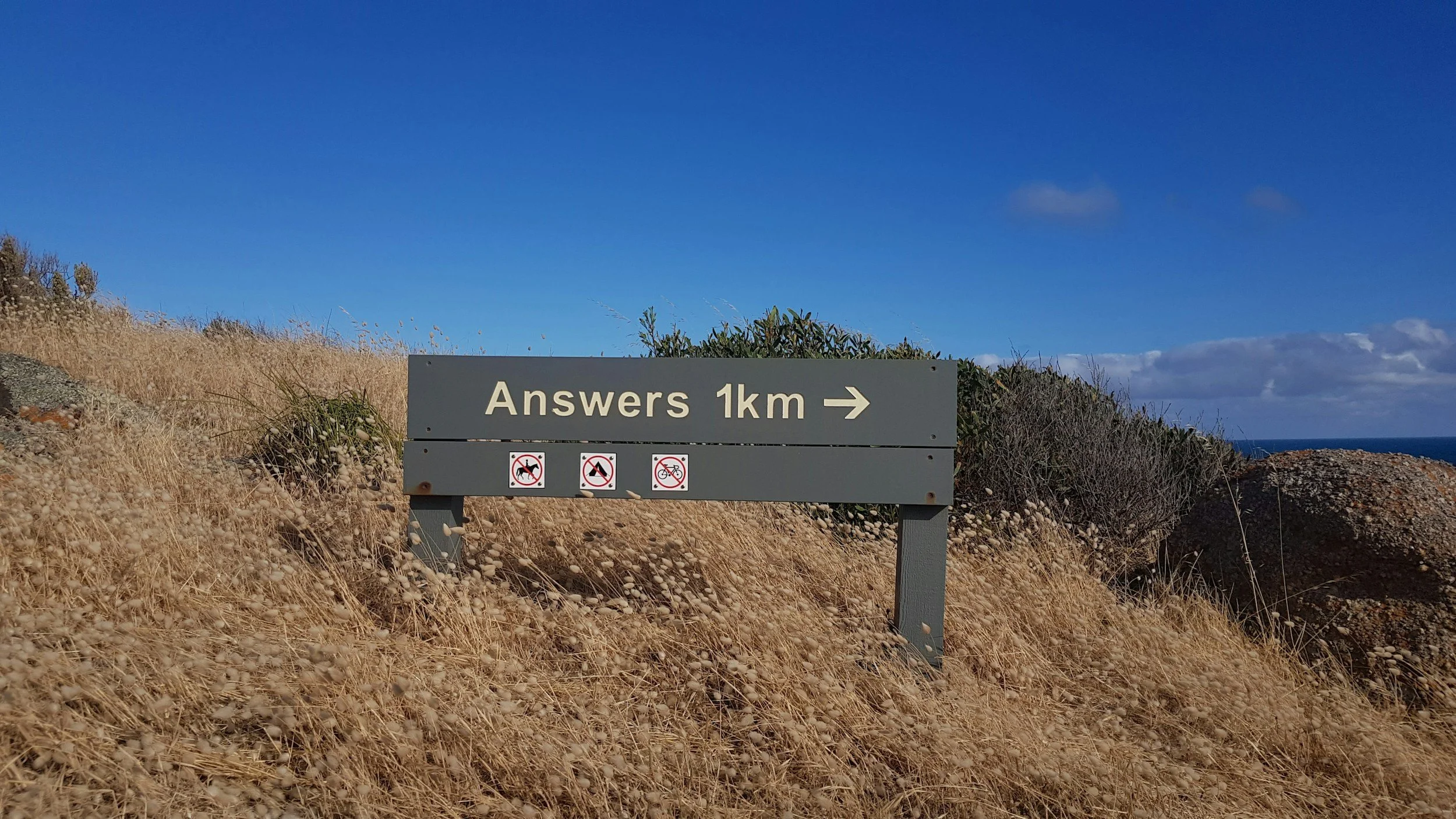
A couple of years ago I took part in an outdoor programme that involved 3 weeks without using (or even seeing) a cell phone. This was somewhat of a challenge at first, but after a couple of days of being without it, I learned to love the freedom. The main issue I had with being out of touch with the world wasn’t that I couldn’t see what my friends were eating for lunch, or share photos of the beautiful scenery I was immersed in; it was not being able to answer my random musings with a couple of taps of my finger.
Don't be afraid to ask open ended questions
Sometimes I talk with organisations that consider it too challenging to ask open questions when seeking feedback from their customers or public. Instead they consider it safer to ask closed, tick the box survey questions.
Ironically, the reason often seems to be fear of their own success in collecting copious amounts of written information. They grapple with how they will analyse and synthesise it.

Tips to become an influencer (in your community, not on social media)
If you’re wanting to learn how to grow your following on Instagram or negotiate a brand deal for the latest collagen powder, this is probably not the article for you. However, if you’re looking to make a difference in your community and make your voice heard, keep reading!

Selecting the best tool: more important than the tool box
My father is a retired cabinet maker – during the COVID lockdown, it was more evident than ever that I didn’t inherit his furniture making skills. But as a child when I did potter in his workshop, and asked to use one of his many tools, his answer was often a challenge for me.

What do people want from their city?
If there’s one thing that we’ve learned from reading and analysing tens of thousands of comments made on city place making and development projects, it’s that not everyone wants the same thing and that is because everyone wants the same thing: to have it their way.
What is the value of social media as a public engagement tool?
“The single biggest problem in communication is the illusion it has taken place.” George Bernard Shaw
With the speed of change in modern communication, this quote is now more relevant than ever.
Consultation projects are all about communicating with populations about the issues affecting them. To serve communities well, public organisations endeavour to hear from a representative cross-section of their population. This is difficult when traditional engagement processes can exclude some communities, leading to greater representation by some demographic groups over others.
What’s the point of community engagement?
In almost every consultation we analyse there is one recurring cry – “will we be listened to?”
It seems people worry there is no point making the effort. But do the public grasp what consultations are actually for?
Giving communities a voice: the research story behind He Puna Taimoana New Brighton hot pools
Throughout history, humans have had a habit of making decisions based on what they think the people want, assuming they know what’s best for others. One lesson we’ve learned over the past few hundred years is how important it is for governments to understand their people.
For our grandchildren: an alternative RMA fast-tracking approach
New Zealand is about to embark on its largest infrastructure programme in a generation and the Government has proposed avoiding public input to speed up the delivery of projects. We outline an alternative, which accommodates valuable public input, without delaying delivery and avoiding our children and grandchildren having to live with short-sighted decisions.
City of Melbourne: adapting to change
The world looks very different in April 2020 than most of us would have imagined only a couple of months ago. The ways in which our day-to-day lives have changed are innumerable, but it is nice to see that governments and organisations are adapting in these uncertain times, keeping their people safe and their cities moving.
City of Melbourne ~ Global Research supporting Future Melbourne’s Stategic Plan
Patrick was in Melbourne recently to initiate analysis of the Future Melbourne 2016 public engagement process. With over 950 ideas posted to the website and 350 surveys completed, this initiative to mould Melbourne’s future is a fantastic example of how modern information capture tools can engage with citizens in a large city.
Lincoln University student experience more than just Jelly Beans!! – having a great time finding out what students want for their campus
The Global Research team was at Lincoln University in February, running some workshops to gather insights from Lincoln students about their student experience. We had over 200 attend, and while the food and lollies were a hit, the workshops also collected many fine ideas.
Five years on and children are turning Christchurch city’s shared ideas into reality
Share an Idea was an unprecedented initiative which allowed the people of Christchurch to do many things – share, care, gather, dream and look ahead, following the 2011 earthquakes. I remember one of the themes that emerged was a desire to provide children who visit the city with something fun to do, as old central Christchurch had no playgrounds and was pretty sterile for children.
Melbourne’s University Square ~ really enjoyed supporting our Aussie neighbours
It has been great to finish the year with a project for the City of Melbourne, analysing all the comments received on the draft plan for University Square. I caught up with the nice folk at the City when I visited for the World Cup Final earlier in the year.
Bangkok, Singapore…. Global Research walking the talk
Patrick had a fantastic time investigating possible research and analysis opportunities in Thailand and Singapore in June. A lot was learnt about what Global Research needs to offer in order to be successful in this large market, and some new connections were made.