
Projects By Focus
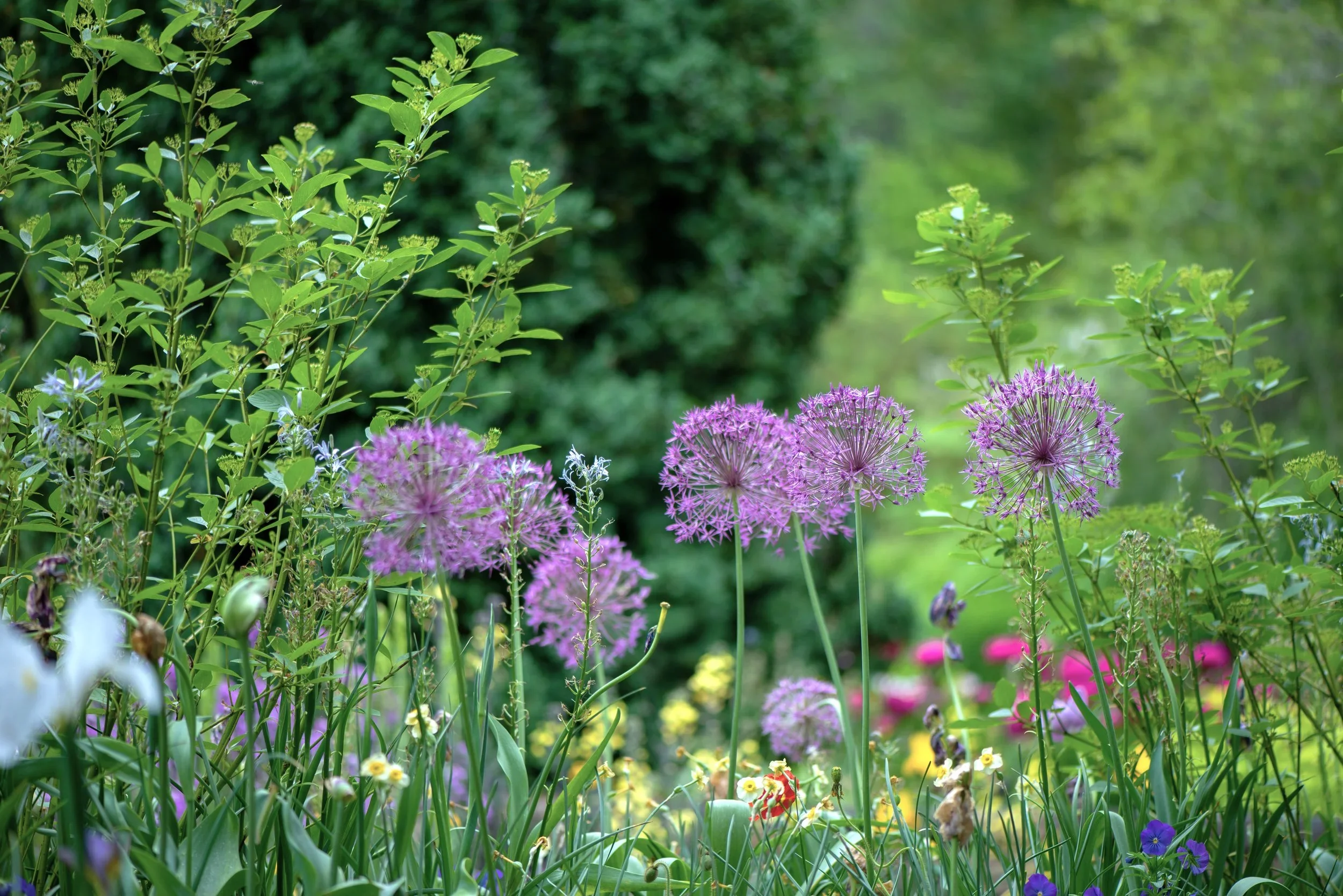
Nature Strip Guidelines (Stages I & II) ~ City of Port Phillip
The City of Port Phillip, Melbourne, Victoria, engaged the public from December 2021 to February 2022 to gather information about opinions on the Draft Nature Strip Guidelines - a plan that outlines the ways in which nature strips may be planted and used in the area.

Seafarers Rest ~ City of Melbourne
Seafarers Rest is a public park in the Docklands area of Melbourne that is earmarked for renewal. The City of Melbourne (CoM) worked in partnership with the Victorian Government, developer Riverlee, and landscape architects Oculus to create a park that meets a myriad of purposes – increase pedestrian and cycle access and improve public amenity, while protecting neighbouring heritage sites, preserving trees where possible, and responding to the site’s contexts and constraints.
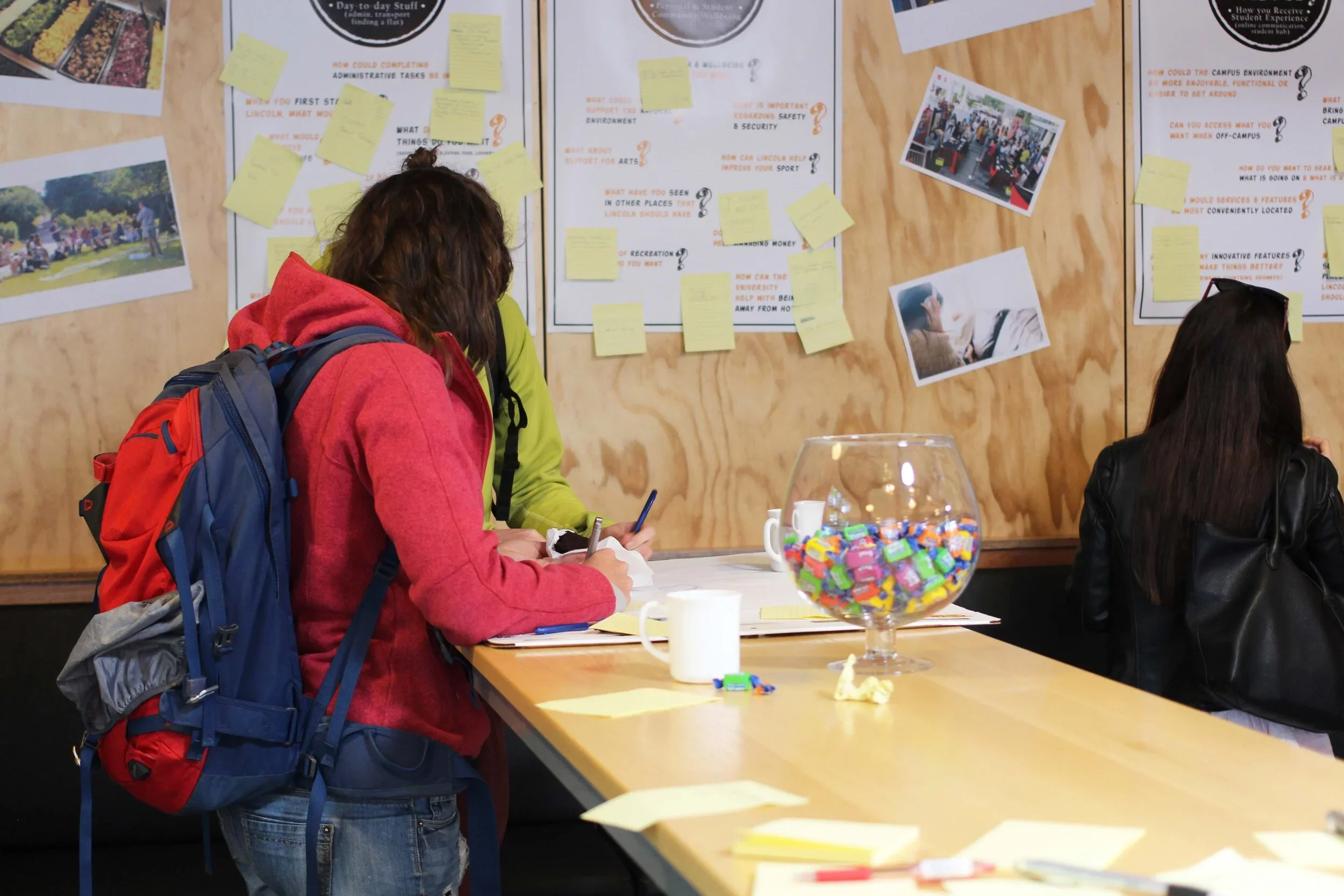
Finding out what Lincoln University students want ~ Lincoln University Student Experience
Lincoln University sought to gain an in-depth understanding of current perceptions and future preferences for Lincoln University student experience. The research was important as the institution strives to ensure it provides a continually improved campus and experience for its students.
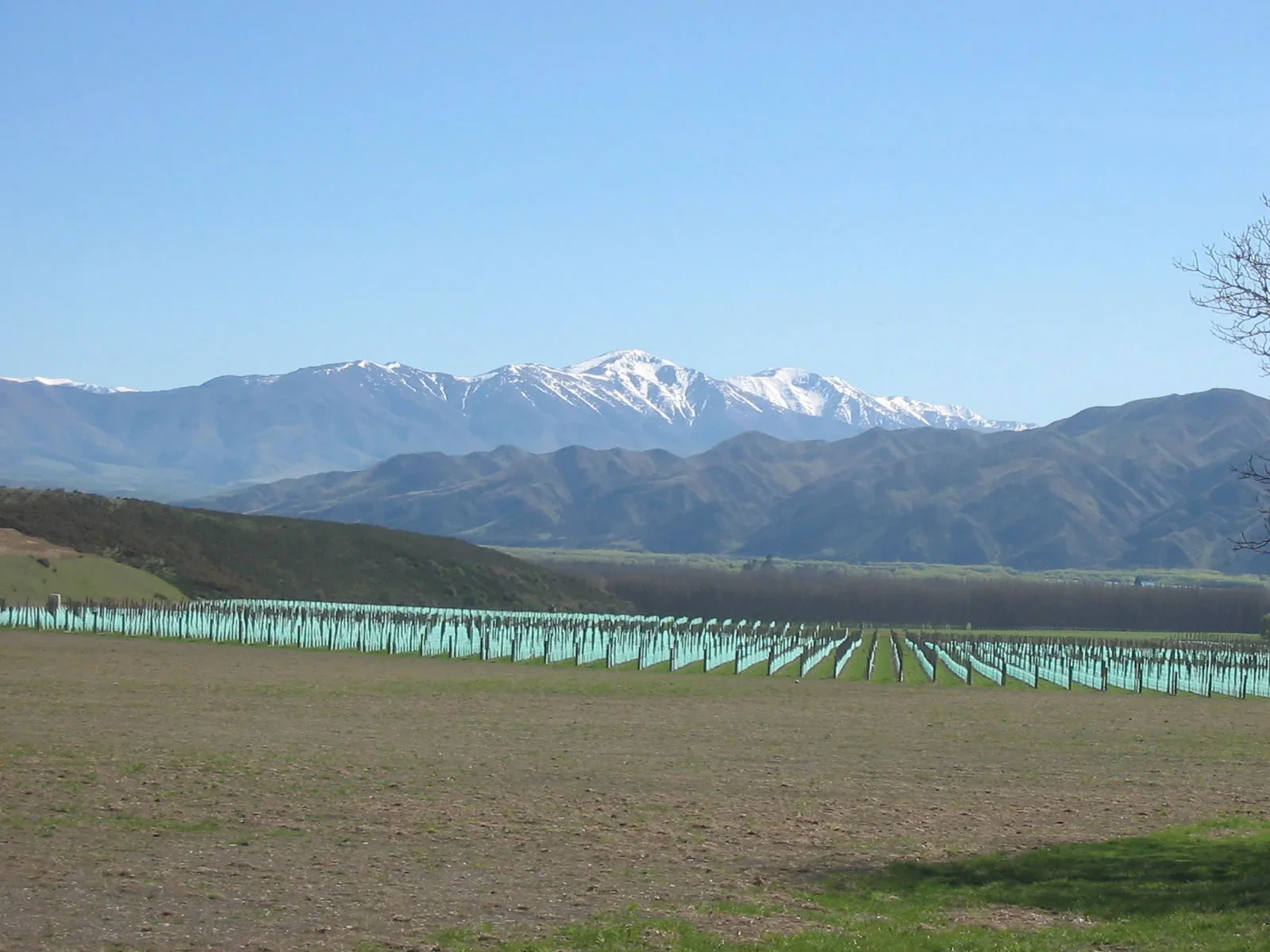
Five partners collaborate for New Zealand’s land based future ~ Lincoln Hub Plan Preparation
In 2013 the five Lincoln Hub Partners (AgResearch, DairyNZ, Landcare Research, Lincoln University and Plant and Food Research) embarked on an ambitious plan to bring their organisations closer together to deliver greater land based sector returns for New Zealand.

SAY Now Programme Evaluation ~ Sport Canterbury
Sport Assisting Youth Now (SAY Now) is a collaborative education awareness approach to reducing alcohol-related harm through sports clubs. SAY Now provides a forum for bringing together sporting role models and key stakeholders (e.g. health professionals, NZ Police, local government, Accident Compensation Corporation) to raise awareness of alcohol-related harm with young people in sport settings.

Preparation of business case to New Zealand Government ~ Lincoln University
Lincoln University was significantly impacted by the 2010/2011 Canterbury earthquakes, with damage to its two largest science buildings resulting in 40% of its academic floor space being deemed permanently unusable.
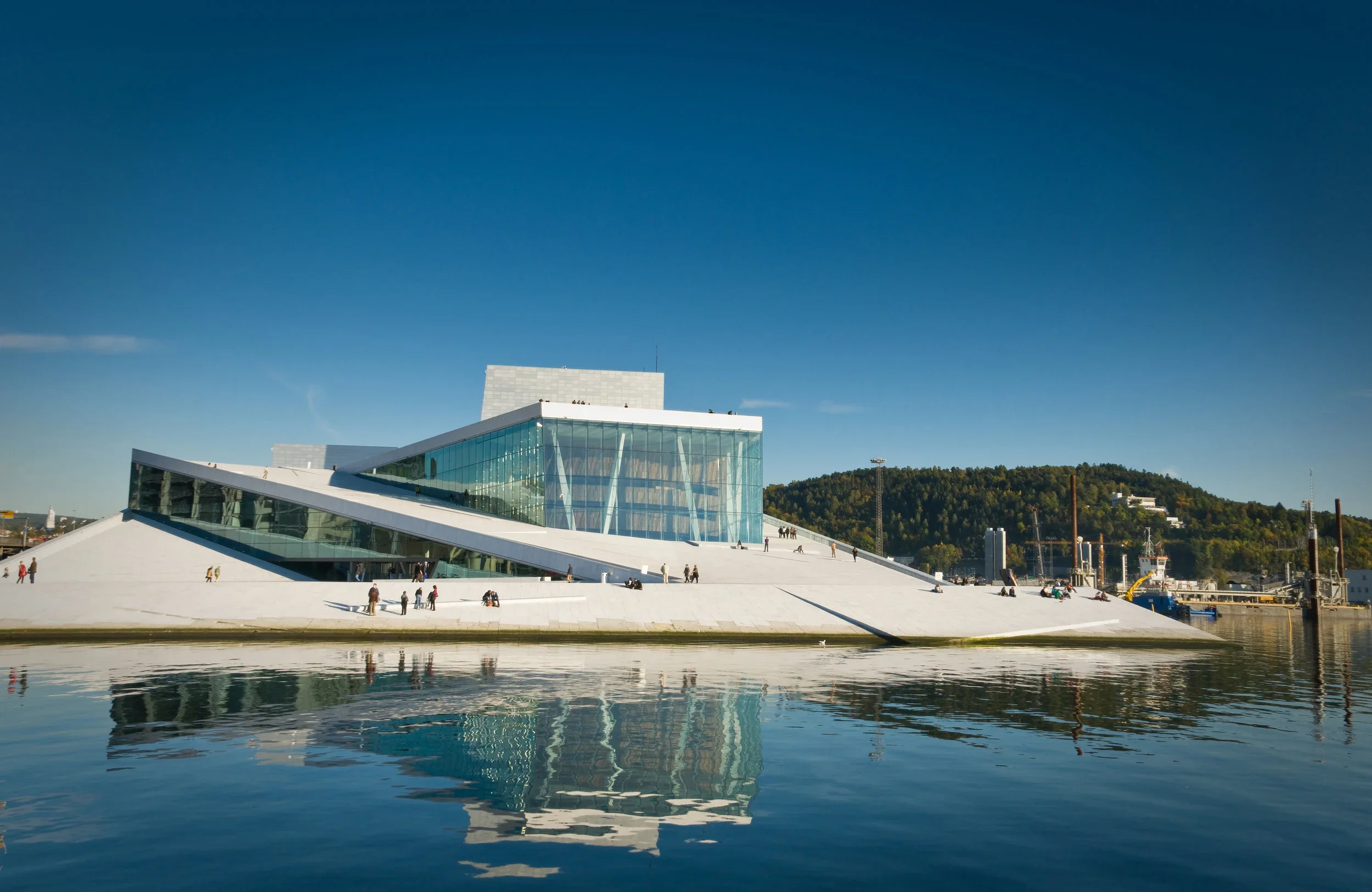
Oslo plans for quality human experiences in public spaces ~ Gehl Architect’s Public Space Public Life survey
Oslo’s population is projected to grow by 30% over the next 15 years from its current 600,000 to around 800,000. With this growth comes development opportunities as well as some challenges. As Oslo grows its goals are to increase activity, urban life and safety perceptions and ultimately improve cultural activity and business returns.

Christchurch's Central Recovery Plan Liveable City Chapter ~ Canterbury Earthquake Recovery Authority (CERA)
Christchurch’s central city was decimated by 2010/2011 earthquakes, around quarter of all buildings and half of buildings five stories or higher were damaged beyond repair.
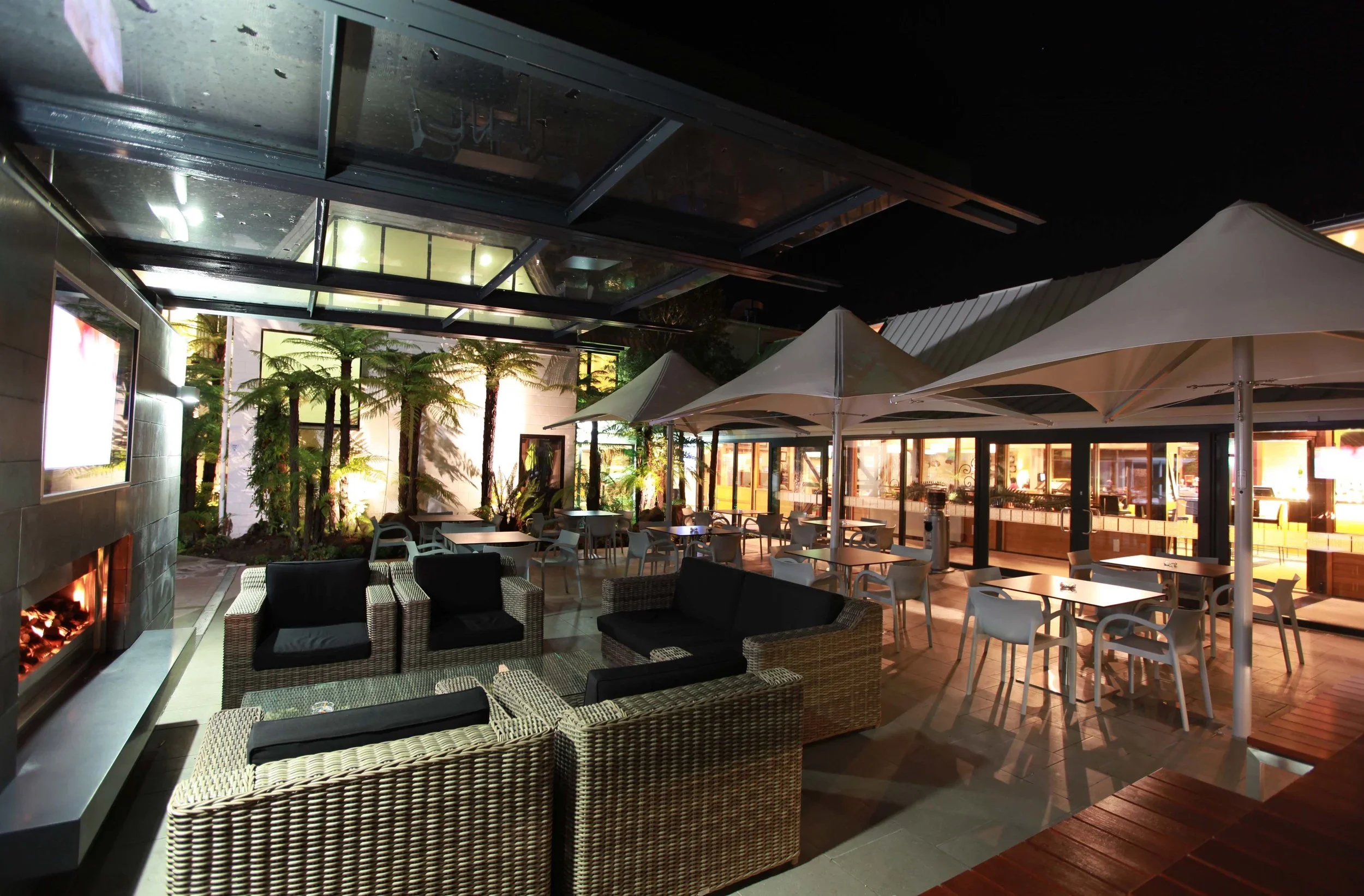
Highly ranked Christchurch hotel knows its guests ~ Commodore Airport Hotel
The Commodore Airport Hotel is one of Christchurch’s finest. The recent opening of its new wing and ongoing popularity are testament to it continually aspiring to be the best and achieving that aspiration.

Outdoor recreation visitors have their say: National Visitor Survey 2003, 2004, 2005 ~ Department of Conservation
New Zealand’s Department of Conservation (DOC) wanted to measure visitor satisfaction with recreation track quality and perceptions of visitor crowding across a representative sample of its 2050 easily accessible through to remote tracks.

Local communities have their say in rebuilding their suburbs ~ CCC’s Master Plans
Post the Canterbury earthquakes Christchurch City Council (CCC) prepared nine Suburban Master Plans to assist with the recovery of the city, as part of its Suburban Centres Programme.

Ngā Puna Wai sports hub consultation ~ Christchurch City Council
The destructive 2010 - 2011 Canterbury earthquakes severely damaged much of Christchurch’s sporting infrastructure. This included the main track and field, hockey and tennis facilities being damaged beyond repair.